
Why Choose Preventive Dentistry for Kids for Healthy Smiles?
As a parent, it’s natural to wonder whether you’re doing enough to protect your child’s teeth. You want to give them the best start in life, but knowing exactly when to act — or what steps to take — isn’t always obvious. And that’s completely okay.
The good news is that preventive dentistry for kids takes a lot of the guesswork away. Rather than waiting for problems to appear, it focuses on keeping your child’s smile healthy from the very beginning.
In this guide, we’ll walk you through what preventive pediatric dentistry really means, why it matters, the signs to watch for, what to expect during visits, and how you can support your child’s oral health at home — so you can feel confident every step of the way.
Why Preventive Dentistry for Kids Matters
Early attention to your child’s dental health can make a bigger difference than most parents realize. Preventive dentistry for kids is about much more than just cleanings — it’s about catching small concerns before they become bigger, costlier problems.
Children’s teeth and jaws are constantly developing. This makes the early years a window of opportunity. When a pediatric dentist can monitor your child’s growth, spot early signs of decay, or identify alignment concerns while the jaw is still forming, outcomes are almost always better — and treatment is simpler.
Many parents are surprised to learn that tooth decay is one of the most common chronic childhood conditions. The encouraging part? It’s largely preventable. With the right guidance from an Irvine children’s dentist, your child can build habits and receive care that protects their smile for life.
Prevention also has a ripple effect on overall health. Poor oral health has been linked to difficulty chewing, speech development issues, and even challenges with self-confidence in school-age children. Starting early sets a strong foundation.
Signs Your Child May Need a Dental Check-Up Soon
You might notice a few things at home that are worth mentioning to your child’s dentist. Here are some signs that it may be time to schedule a visit or follow up sooner:
- White or brown spots on teeth, which can be early signs of decay
- Complaints of tooth pain or sensitivity to hot, cold, or sweet foods
- Bleeding gums during brushing or flossing
- Visible holes, pits, or darkened areas on a tooth
- Mouth breathing or frequent snoring, which can signal airway or alignment concerns
- Thumb-sucking or pacifier use past age 3, which can affect tooth positioning
- Baby teeth that haven’t fallen out on schedule, or adult teeth coming in crooked
If you notice one or more of these, it’s a good idea to reach out to a pediatric dentist. Even if everything turns out to be completely fine, getting that reassurance is always worth it.
When Should You Start Preventive Dental Care?
Most experts — including the American Academy of Pediatric Dentistry — recommend that children have their first dental visit by their first birthday, or within six months of their first tooth appearing. That might seem early, but these visits are gentle, brief, and incredibly valuable.
After that first visit, regular check-ups every six months help your child’s dentist track development over time. Because every child grows differently, your dentist will tailor their recommendations to your child’s unique needs — not a one-size-fits-all schedule.
In some cases, earlier or more frequent visits may be recommended — especially if your child has a higher risk for cavities, has experienced dental trauma, or if you have concerns about their development. An experienced Irvine children’s dentist can assess what’s right for your family.
What to Expect During a Preventive Dentistry Visit
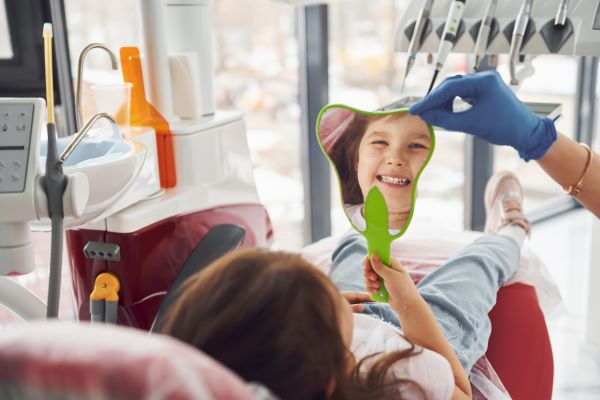
Many parents feel more at ease once they know what a typical pediatric dental visit actually looks like. The whole experience is designed with children in mind — calm, friendly, and unhurried. Here’s what usually happens:
- A gentle exam: The dentist will take a close look at your child’s teeth, gums, bite, and jaw development. For very young children, this is often done with a parent holding the child in their lap.
- Professional cleaning: A hygienist will gently clean your child’s teeth, removing any plaque or tartar buildup and polishing the surfaces.
- Fluoride treatment (if appropriate): A quick fluoride varnish application helps strengthen enamel and protect against decay.
- Dental sealants (when ready): For older children, sealants may be applied to the back molars to protect grooves where decay commonly starts.
- A conversation with you: The dentist will share what they observed and offer personalized tips for home care, diet, and any areas to monitor.
The goal is to create a positive, stress-free experience. When children feel comfortable at the dentist from a young age, they’re far more likely to maintain good habits as they grow.
How Parents Can Support Preventive Dental Care at Home
Your role at home is just as important as what happens in the dental chair. Small, consistent habits make a lasting difference. Here are a few simple ways to reinforce your child’s oral health between visits:
- Brush twice a day: Use a soft-bristled, age-appropriate toothbrush and a rice-sized amount of fluoride toothpaste for children under 3, and a pea-sized amount for ages 3 and up.
- Floss daily: Once two teeth are touching, it’s time to start flossing. Floss picks or tools designed for children can make this easier.
- Limit sugary snacks and drinks: Juice, sports drinks, and sticky snacks are common culprits for childhood cavities. Water is always the best choice between meals.
- Monitor thumb-sucking habits: This is normal in young children, but prolonged habits past age 3–4 can affect tooth alignment.
- Keep a positive attitude: How you talk about the dentist matters. Framing visits as something exciting and normal helps children feel safe and cooperative.
- Stay consistent with regular visits: Six-month check-ups allow your dentist to catch anything early, before it becomes a bigger concern.
Remember, you don’t have to have all the answers. That’s what your child’s dental team is here for.
Frequently Asked Questions About Preventive Dentistry for Kids
What age should a child first see a dentist?
The American Academy of Pediatric Dentistry recommends a first dental visit by your child’s first birthday, or within six months of their first tooth appearing. Starting early helps establish a dental home and allows the dentist to monitor healthy development from the very beginning.
Is preventive dentistry really necessary for baby teeth?
Absolutely. Baby teeth hold space for permanent teeth and play a vital role in speech development and chewing. Decay in baby teeth can spread, cause pain, and affect how adult teeth come in. Protecting them from the start supports your child’s long-term oral health.
Are dental X-rays safe for children?
Yes. Pediatric dental X-rays use very low radiation levels and are only taken when clinically necessary. They help dentists detect problems that aren’t visible to the naked eye, such as decay between teeth or issues with developing permanent teeth. Your child’s safety is always the top priority.
How do I know if my child needs fluoride treatments or sealants?
Your pediatric dentist will evaluate your child’s individual risk factors and recommend these treatments if appropriate. Fluoride strengthens enamel and helps prevent cavities, while sealants act as a protective coating on the back molars. Both are quick, painless, and highly effective.
What’s the difference between a pediatric dentist and a general dentist?
Pediatric dentists complete two to three additional years of specialized training beyond dental school, focusing specifically on children’s oral health, behavior management, and development. Their offices are also designed with children in mind — creating an environment that feels welcoming and fun rather than intimidating.
Your Child’s Smile Starts Here
Understanding preventive dentistry for kids can help you make confident, informed decisions about your child’s oral health. The earlier you start, the better the foundation you’re building — not just for a healthy smile today, but for a lifetime of confidence and well-being.
Some concerns are completely normal, and a little guidance goes a long way. Whether it’s your child’s first visit or their fifth, knowing that a caring team is watching over their development makes all the difference.
If you’re in the Irvine area and looking for a trusted Irvine children’s dentist, Soft Breeze Children’s Dentistry is here to support your family every step of the way. A quick visit can provide clarity, peace of mind, and a plan that keeps your child’s smile healthy and bright.
Because every child deserves a smile they love — and the healthy habits to keep it.
Related Posts
.jpg)
Can Kids Get Gum Disease? What Parents Should Know
What Parents Should Know About Kids' Wisdom Teeth
Signs Your Child Might Need Braces Earlier Than Expected!
