

How Does Restorative Dentistry in Foothill Ranch Improve Your Smile?
As a parent, it’s natural to worry when your child chips a tooth, develops a cavity, or comes home from school complaining that their mouth hurts. You want to fix it quickly and kindly — but you also want to know what the process will look like before you walk through the door.
That’s where restorative dentistry in Foothill Ranch comes in. It’s not about complicated procedures or scary equipment. It’s about gently repairing what’s been damaged, relieving discomfort, and helping your child’s smile get back to its healthiest, happiest state.
In this guide, we’ll walk you through what restorative pediatric dentistry actually involves, why it matters, what signs to look for at home, and how early preventive dentistry benefits your child in the long run — so you can feel informed and at ease every step of the way.
Why Restorative Dentistry for Kids Matters More Than You Might Think
Early attention to dental damage or decay can make a significant difference in your child’s overall health and comfort. Many parents assume that because baby teeth eventually fall out, problems with them aren’t urgent. But that’s actually a common misconception.
Baby teeth serve as placeholders for permanent teeth. When they’re lost too early due to untreated decay or damage, surrounding teeth can shift and crowd the space that adult teeth need to grow in correctly. This can lead to alignment issues down the road that are far more complex to address.
Beyond the structural concerns, there’s the comfort factor. A child with a painful or broken tooth may struggle to eat, speak clearly, focus in school, or sleep well. Restoring their teeth restores their quality of life.
Restorative dentistry in Foothill Ranch is also closely connected to the preventive dentistry benefits your child receives over time. When a dentist catches and addresses small problems early, the need for more extensive treatment later is greatly reduced.
Signs Your Child May Need Restorative Dental Care
You might notice something is off before your child even tells you. Here are some signs that it may be time to schedule a restorative dental evaluation:
- Tooth pain or sensitivity when eating hot, cold, or sweet foods
- A visible crack, chip, or fracture in a tooth
- Dark spots, white patches, or visible holes on the surface of a tooth
- A tooth that was knocked loose or partially dislodged during an accident or fall
- Swelling, redness, or tenderness around a specific tooth or area of the gum
- Your child avoiding food on one side of their mouth
- Persistent bad breath that doesn’t improve with brushing
If you notice one or more of these, don’t wait. A pediatric dental visit can quickly clarify what’s going on and ease both your child’s discomfort and your own worry.
When Should You Seek Restorative Treatment?
Every child’s situation is different, but the general rule is simple: sooner is almost always better. Dental decay and damage don’t pause on their own. A small cavity left untreated can deepen over time, eventually reaching the inner pulp of the tooth and requiring more involved care.
If your child has experienced a dental injury — a knocked-out tooth, a bad fall, or a cracked tooth from an accident — it’s best to contact a pediatric dentist the same day. Quick action can sometimes save a tooth entirely.
For concerns that are less urgent (like a small cavity spotted at a routine check-up), your dentist will work with you on a timeline that makes sense. The important thing is not to delay. Most parents find that once they understand the process, the anxiety fades quickly.
A trusted provider of restorative dentistry in Foothill Ranch will assess your child’s specific needs and guide you through the recommended next steps with patience and clarity.
What to Expect During a Restorative Dental Visit
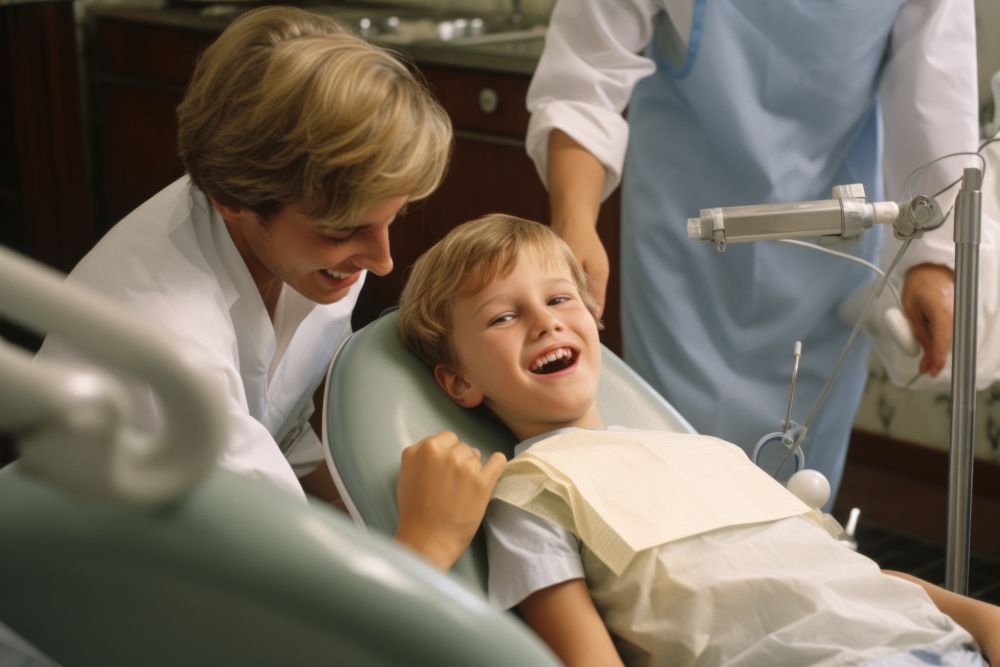
Knowing what a restorative visit looks like can help both you and your child feel genuinely comfortable. Pediatric dental offices are specially designed to be calming and child-friendly, and every step of the process is explained in age-appropriate language.
Here’s what a typical visit might include, depending on your child’s needs:
- A thorough exam and X-rays: The dentist will take a close look at the affected tooth and surrounding area. Digital X-rays help identify issues that aren’t visible to the naked eye, like decay between teeth or below the gumline.
- Tooth-colored fillings: For cavities, a composite resin filling is carefully placed to restore the tooth’s shape and function. These match the natural color of your child’s teeth and are completely safe.
- Stainless steel or tooth-colored crowns: When a tooth has significant decay or damage, a crown may be recommended to fully protect it. These are durable, effective, and placed in a single visit.
- Pulp therapy (pediatric root canal): If decay has reached the inner pulp, pulp therapy removes the affected tissue and seals the tooth to prevent further infection. It’s gentler than it sounds, and children typically handle it very well.
- Space maintainers: If a baby tooth is lost early, a space maintainer holds the gap open so the permanent tooth can grow properly.
Throughout the visit, the dental team will move at your child’s pace, using gentle language and techniques to keep them calm and comfortable. The goal is always a positive experience — one your child will feel okay about coming back to.
The Connection Between Restorative Care and Preventive Dentistry Benefits
Restorative and preventive dentistry aren’t opposites — they work hand in hand. When a child receives restorative care, a good pediatric dentist doesn’t just fix the problem and send them home. They also look at what caused it and build a prevention plan to reduce the chances of it happening again.
The preventive dentistry benefits of pairing both types of care include:
- Reduced risk of future cavities through fluoride treatments and dental sealants
- Personalized home care guidance tailored to your child’s specific risk factors
- Early detection of developing concerns before they require treatment
- Stronger enamel and healthier gums over time
- A child who feels comfortable with dental care — building lifelong positive habits
Many parents share that once they established a consistent dental routine — combining regular check-ups with any needed restorative care — their children’s dental health improved noticeably from year to year. Prevention and restoration together create real, lasting results.
How Parents Can Support Their Child’s Recovery and Ongoing Oral Health
After a restorative procedure, your child may need a little extra TLC at home. Here’s how you can help:
- Follow any post-visit instructions: Your dental team will give you specific guidance depending on the treatment. Follow it closely, and don’t hesitate to call with questions.
- Offer soft foods if needed: After some procedures, tender gums or mild sensitivity are normal for a day or two. Gentle, easy-to-chew foods help your child stay comfortable.
- Keep up with brushing and flossing: Good home care is what keeps restored teeth healthy. Brush twice daily with fluoride toothpaste and floss wherever teeth are touching.
- Watch your child’s diet: Reducing sugary snacks and drinks goes a long way in preventing new cavities from forming.
- Celebrate the win: Did your child do great at their appointment? Tell them so. Positive reinforcement makes future visits so much easier.
- Maintain regular dental visits: Six-month check-ups allow the team to monitor restored teeth and catch any new concerns before they grow.
Your involvement makes an enormous difference. Children who see dental care as a normal, supported part of life carry that attitude all the way into adulthood.
Frequently Asked Questions About Restorative Dentistry in Foothill Ranch
Is restorative dentistry painful for children?
Pediatric dentists are specially trained to make restorative procedures as comfortable as possible. Local anesthesia is used to numb the area before treatment, and many offices also offer nitrous oxide (laughing gas) to help anxious children relax. Most kids are surprised by how manageable the experience actually is.
Do cavities in baby teeth really need to be filled?
Yes, in most cases. Even though baby teeth are temporary, untreated cavities can grow deeper, cause pain, lead to infection, and affect the underlying permanent tooth. Filling a cavity early is a simple, quick process that prevents all of that from happening.
How long does a filling or crown last on a baby tooth?
Restorations are designed to last until the baby tooth naturally falls out, which could be anywhere from a few months to several years depending on your child’s age. Your dentist will choose the most appropriate material based on the tooth’s expected lifespan and the extent of the restoration needed.
What happens if a tooth is too damaged to restore?
In rare cases where a tooth cannot be saved, extraction may be recommended. If that happens, a space maintainer is often placed to preserve the gap for the incoming permanent tooth. Your dentist will always discuss all options with you before proceeding.
How is restorative dentistry different from preventive dentistry?
Preventive dentistry focuses on stopping problems before they start — through cleanings, fluoride, sealants, and education. Restorative dentistry addresses damage or decay that has already occurred. The two work best together: preventive care reduces the need for restoration, and restorative care gets your child back on track so prevention can take over again.
A Healthier Smile Is Closer Than You Think
Understanding restorative dentistry in Foothill Ranch can help you feel calm and prepared when your child needs a little extra care. Whether it’s a small filling or something more involved, the right team makes all the difference — and so does catching things early.
The preventive dentistry benefits your child gains from consistent, caring dental visits are cumulative. Each check-up, each small treatment, each healthy habit builds on the last — creating a foundation for a lifetime of strong, confident smiles.
If you have concerns about your child’s teeth or simply want to get ahead of any issues, a visit to Soft Breeze Children’s Dentistry can give you the clarity and peace of mind you deserve. We’re here to answer your questions, support your child, and make every visit feel like a win.
Because your child’s smile is worth every gentle step it takes to protect it.
Related Posts
.jpg)
Can Kids Get Gum Disease? What Parents Should Know
What Parents Should Know About Kids' Wisdom Teeth

Signs Your Child Might Need Braces Earlier Than Expected!
