
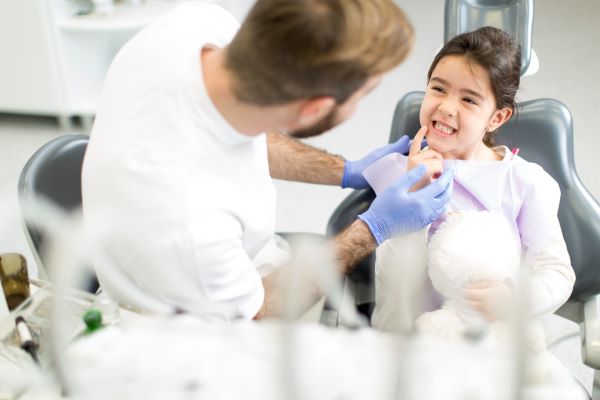
Why Is an Emergency Child Dentist Important for Dental Injuries?
As a parent, nothing prepares you for the moment your child chips a tooth on the playground, knocks one loose in a fall, or wakes up with sudden, sharp tooth pain. You want to do the right thing, fast, but knowing what to do and who to call isn't always obvious.
In this guide, we'll walk you through why having an emergency child dentist matters, what signs call for immediate attention, and how preventive dentistry for children can help protect your child's smile long before an accident ever happens.
Why This Matters More Than You Might Think
A dental injury in a child isn't just about a cracked tooth, it can affect how their adult teeth develop, how they eat, speak, and feel about their smile. When dental trauma is addressed quickly, the outcomes are almost always better. When it's delayed, small problems can become much bigger ones.
Many parents assume dental emergencies can wait until a regular appointment opens up. But time-sensitive injuries, like a knocked-out or displaced tooth, may only have a window of 30 to 60 minutes before the chance of saving the tooth significantly drops. That's why knowing your emergency child dentist ahead of time is so important.
The good news: most children recover fully from dental injuries with the right care. And with consistent preventive dentistry for children, many injuries are less severe because the teeth and gums are in better overall health to begin with.
Signs Your Child Needs an Emergency Child Dentist
You might notice these signs right away, or they could appear hours after an incident. Either way, don't wait to reach out:
- A permanent tooth is knocked out completely or partially displaced
- A baby tooth is pushed into the gum or knocked out
- Visible cracking, breaking, or chipping of a tooth, especially if sharp edges are exposed
- Bleeding from the gums or mouth that doesn't stop within 10–15 minutes
- Sudden, severe, or throbbing tooth pain with no obvious cause
- Swelling around the jaw, cheek, or gum area
- Your child says a tooth "feels loose" when it shouldn't be
- Sensitivity to temperature that is new, sharp, or getting worse
If you're seeing one or more of these, trust your instincts and call a pediatric dentist right away, even if you're not sure how serious it is. A quick call can help you figure out next steps without panic.
When Should You Take Action?
For most dental injuries in children, sooner is always better. Here's a simple way to think about it:
- Knocked-out permanent tooth → call immediately, ideally within 30 minutes
- Broken or chipped tooth → same-day appointment if possible
- Unexplained toothache lasting more than a few hours → don't wait overnight
- Swelling or signs of infection → treat this as urgent, same priority as a medical emergency
Every child is different, and a pediatric dentist will always assess your child's unique situation. But as a general rule: if something looks, feels, or sounds wrong, it probably warrants a call. You will never be judged for reaching out "just in case."
What to Expect During an Emergency Visit
Knowing what happens when you arrive can make the experience much less stressful for both of you. Here's a typical flow:
- The dentist and team greet your child calmly and assess the injury, no rushing, no alarming language
- X-rays may be taken to check for damage below the gumline or to surrounding teeth
- The dentist explains what they found and what they recommend, in plain language you can understand
- Treatment, whether that's bonding, splinting, or monitoring, is carried out gently with your child's comfort as the priority
- You'll leave with clear aftercare instructions and a follow-up plan
Pediatric dentists train specifically in how to help children feel safe, even in stressful situations. The goal is always a calm, reassuring experience that keeps your child's trust in dental care intact.
How Preventive Dentistry for Children Helps Before Emergencies Happen
One of the most important things parents can do is build a strong foundation through preventive dentistry for children. Regular care doesn't just keep cavities away, it prepares your child's mouth to handle life's little accidents better.
- Schedule checkups every 6 months
- Ask about mouthguards for sports
- Encourage brushing twice daily
- Talk to your dentist about sealants
- Monitor new teeth as they come in
- Keep dental visits positive and routine
Children who visit the dentist regularly are also more comfortable in the dental chair, which makes emergency visits far less traumatic when they do happen. Building familiarity with your dental team is one of the quietest, most powerful forms of preparation.
Frequently Asked Questions
What should I do if my child's permanent tooth gets knocked out?
Pick it up by the crown (the white part), not the root. Rinse it gently with milk or saline, not water. Try to reinsert it into the socket if your child is calm enough, or store it in milk. Call your emergency child dentist immediately and get there within 30 minutes if at all possible.
Is it a dental emergency if a baby tooth gets knocked out?
Unlike permanent teeth, a knocked-out baby tooth is usually not re-implanted, but you should still call your pediatric dentist. They'll want to make sure the gum and surrounding teeth are uninjured and that the developing permanent tooth underneath wasn't affected.
How do I know if my child's toothache needs emergency attention?
If the pain is severe, comes on suddenly, is accompanied by swelling, fever, or difficulty swallowing, that's urgent. Mild, brief sensitivity might be able to wait a day for a regular appointment, but always err on the side of calling your dentist to describe the symptoms.
At what age should my child start seeing a pediatric dentist?
Most pediatric dental associations recommend a child's first visit by age one, or within six months of their first tooth appearing. Early visits help normalize dental care and allow your dentist to catch any developmental concerns early, long before they become problems.
Can a mouthguard really prevent dental injuries?
Yes, custom-fitted mouthguards are one of the most effective tools in preventive dentistry for children who play contact sports. They significantly reduce the risk of chipped, broken, or knocked-out teeth. Ask your pediatric dentist about getting one fitted for your child.
Related Posts
.jpg)
Can Kids Get Gum Disease? What Parents Should Know
What Parents Should Know About Kids' Wisdom Teeth
Signs Your Child Might Need Braces Earlier Than Expected!
