
Signs Your Child Might Need Braces Earlier Than Expected!
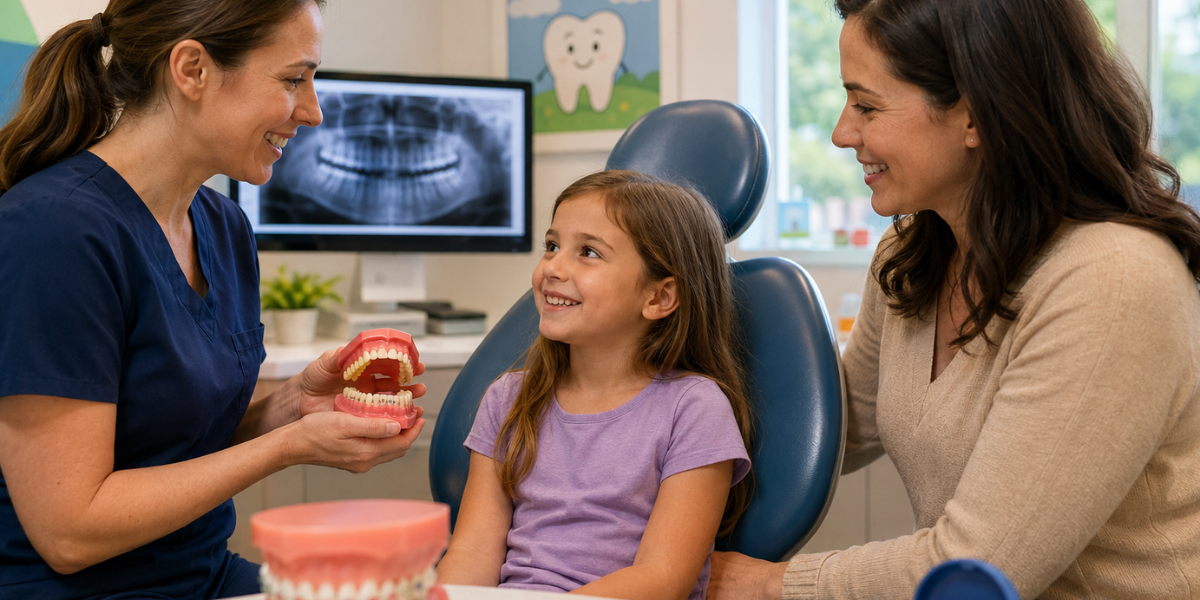
As a parent, you probably assumed braces were something to think about in middle school, maybe around age 11 or 12, once most of the permanent teeth have come in. So it can come as a real surprise when a dentist mentions early braces for kids at a routine checkup for your seven-year-old.
You're not alone in that reaction. Many parents wonder: Is this really necessary? Aren't baby teeth going to fall out anyway? Are we rushing into something?
In this guide, we'll walk you through the signs that may indicate your child needs an orthodontic evaluation sooner than expected, why early intervention can make a lasting difference, and what the process actually looks like, so you can feel confident and informed every step of the way.
Why Early Orthodontic Evaluation Matters
Early Orthodontists' attention to how your child's teeth and jaw are developing can make a big difference in their long-term oral health. The American Association of Orthodontists recommends that children have their first orthodontic screening by age 7. That doesn't mean treatment always starts then, but it gives specialists the chance to spot developing problems while there's still an ideal window to act.
Here's why timing matters: a child's jaw is still growing and highly responsive to guidance during the early years. Certain kids' bite problems that are straightforward to correct at age 7 or 8 can become significantly more complex, and more expensive, to treat at 14 or 15, when jaw growth has mostly stopped and the only options may involve more extensive orthodontic work or even surgery.
Many children show early signs of alignment issues well before all their permanent teeth arrive, and in most cases, a simple evaluation can either give you peace of mind or catch something worth addressing at the right time.
Signs to Watch For
You don't need to be a dentist to notice some of these signs. Here are common orthodontic signs in children that suggest an evaluation with a pediatric orthodontist may be a good idea:
- Teeth that are noticeably crowded or crooked, If your child's teeth look overlapping or there doesn't seem to be enough room for incoming permanent teeth, it's worth getting checked
- Early or late loss of baby teeth, Losing teeth significantly earlier or later than typical (most children lose their first tooth around age 6) can disrupt the spacing needed for permanent teeth
- Difficulty biting or chewing, Frequent complaints about food being hard to bite, or consistently chewing on one side, can indicate an alignment issue
- Mouth breathing or snoring, Often linked to jaw structure issues that can affect both dental alignment and sleep quality
- Thumb sucking or pacifier use past age 4, These habits can shift the jaw and teeth over time if they continue long enough
- Teeth that don't meet properly when biting, An upper jaw that protrudes significantly, a lower jaw that juts forward, or a noticeable open space when biting down
- Jaws that shift, pop, or click, Sounds or movement when your child opens and closes their mouth can be an early sign of a bite imbalance
- Facial asymmetry, One side of the jaw appearing noticeably different from the other
- Speech difficulties, Lisping or other speech patterns sometimes develop in connection with the position of the teeth or jaw
If you notice one or more of these, scheduling a pediatric orthodontics consultation can provide clarity and a clear path forward.
When Should You Take Action?
Every child develops on their own timeline, but most experts recommend an orthodontic screening by age 7 as a general baseline, even for children who appear to have no obvious issues. At this age, the dentist or orthodontist can assess the relationship between the jaw and the incoming permanent teeth, spot spacing issues before they worsen, and identify any habits or structural concerns that are easier to address now.
Earlier evaluation may be especially helpful if your child is losing baby teeth in an unusual pattern, if you notice your child struggling to bite or chew comfortably, or if there are clear kids bite problems like an overbite, underbite, or crossbite already visible.
It's important to understand that an early evaluation doesn't automatically mean braces right away. Many children are simply monitored and reassessed as they grow. But for those who do need early intervention, acting within the right window can mean shorter, simpler treatment overall, and fewer issues to correct later.
What to Expect During a Pediatric Orthodontic Visit
Knowing what happens at an orthodontic evaluation can ease any anxiety your child, or you, might have going in. Here's what a typical first visit for early braces for kids looks like:
- A thorough examination of the teeth, jaw, and bite, The orthodontist will assess how the teeth are aligned and how the upper and lower jaws relate to each other
- Dental X-rays, These show the position of permanent teeth still developing beneath the gumline and help identify crowding before it becomes visible
- Photographs and impressions (if needed), Used to create a detailed picture of your child's dental structure and track changes over time
- A clear explanation of findings, The orthodontist will walk you through exactly what they see, what it means, and whether any action is recommended now or later
- A personalized treatment plan or monitoring schedule, If treatment is recommended, you'll receive a detailed overview of what it involves, how long it might take, and what it will look like day-to-day for your child
The goal is always a calm, informative visit that leaves both of you feeling informed rather than overwhelmed.
How Parents Can Help at Home
While orthodontic treatment is a professional process, there are meaningful things you can do at home to support your child's development and help catch issues early:
- Encourage your child to breathe through their nose, Chronic mouth breathing can affect jaw development over time; if your child struggles with this, mention it to your dentist or pediatrician
- Monitor and gently discourage prolonged thumb sucking, Most children naturally stop on their own, but if the habit continues past age 4 or 5, bring it up at your child's next dental visit
- Note any complaints about chewing or biting, Children often don't volunteer this information; asking occasionally and paying attention at mealtimes can help you catch discomfort early
- Keep up with regular dental checkups, Your pediatric dentist is often the first to notice early signs of alignment or bite concerns, especially on X-rays
- Stay positive about orthodontic care, Many children feel anxious about the idea of braces. Framing it as something that helps them feel comfortable and confident goes a long way
Frequently Asked Questions
What age is too early for braces?
Traditional braces are generally placed between ages 9 and 14, once enough permanent teeth have come in. However, early braces for kids, sometimes called Phase 1 treatment, can begin as early as age 6 or 7 for specific issues like severe crossbites, significant overcrowding, or jaw development concerns. An orthodontist can tell you whether early treatment applies to your child's situation specifically.
What is Phase 1 orthodontic treatment?
Phase 1 (or early interceptive) treatment refers to orthodontic intervention that takes place while your child still has a mix of baby and permanent teeth, typically between ages 6 and 10. It might involve a palate expander, partial braces, or other appliances designed to guide jaw growth and create space for incoming permanent teeth. Phase 2, if needed, happens later once all permanent teeth have arrived.
How do I know if my child has a bite problem?
Some kids' bite problems are visible to the naked eye, a lower jaw that sticks out, front teeth that don't touch when biting, or teeth that are clearly crowded or overlapping. Others are subtler and only visible on X-ray. Signs like difficulty chewing, jaw sounds, or speech issues can also point to bite concerns. When in doubt, a quick evaluation from a pediatric dentist or orthodontist will give you a definitive answer.
Will my child need braces if they already had early treatment?
Not always, but sometimes yes. Early treatment is designed to address specific developmental concerns, not necessarily to fully straighten all the teeth. Many children who go through Phase 1 treatment still benefit from a shorter Phase 2 with braces or aligners once all their permanent teeth are in. Your orthodontist will be upfront about this from the beginning so there are no surprises.
Does pediatric orthodontics cost more than regular orthodontics?
Costs vary depending on the type and length of treatment, where you live, and your dental coverage. Early treatment, when it's needed, can sometimes reduce the scope and cost of later treatment by preventing more complex problems from developing. Many orthodontic practices offer payment plans and accept dental insurance for orthodontic coverage. It's always worth asking your provider what options are available.
When It Comes to Smiles, Earlier Is Often Easier
Noticing the signs of potential orthodontic concerns early, and acting on them at the right time, is one of the most valuable things you can do for your child's dental health and confidence. Early braces for kids aren't about rushing treatment; they're about making the most of a window when small corrections can prevent big problems.
If something about your child's bite, jaw, or tooth alignment has caught your attention, trust that instinct. A simple evaluation is low-pressure and gives you real answers, whether that's "everything looks great, let's check again in a year" or "here's exactly what we'd recommend and why."
Either way, you'll leave knowing you're staying ahead of it, and that peace of mind is worth a lot.
At Soft Breeze Children's Dentistry, we keep a close eye on your child's dental development at every visit. If you have questions about your child's bite or alignment, schedule an appointment today and let's take a look together.
Related Posts

Phase 1 Orthodontics: Does Your 7-Year-Old Really Need Interceptive Braces?

When Should Your Baby First See a Dentist? (And Why Age 1 Matters)
What Parents Should Know About Nitrous Oxide in Dentistry
