
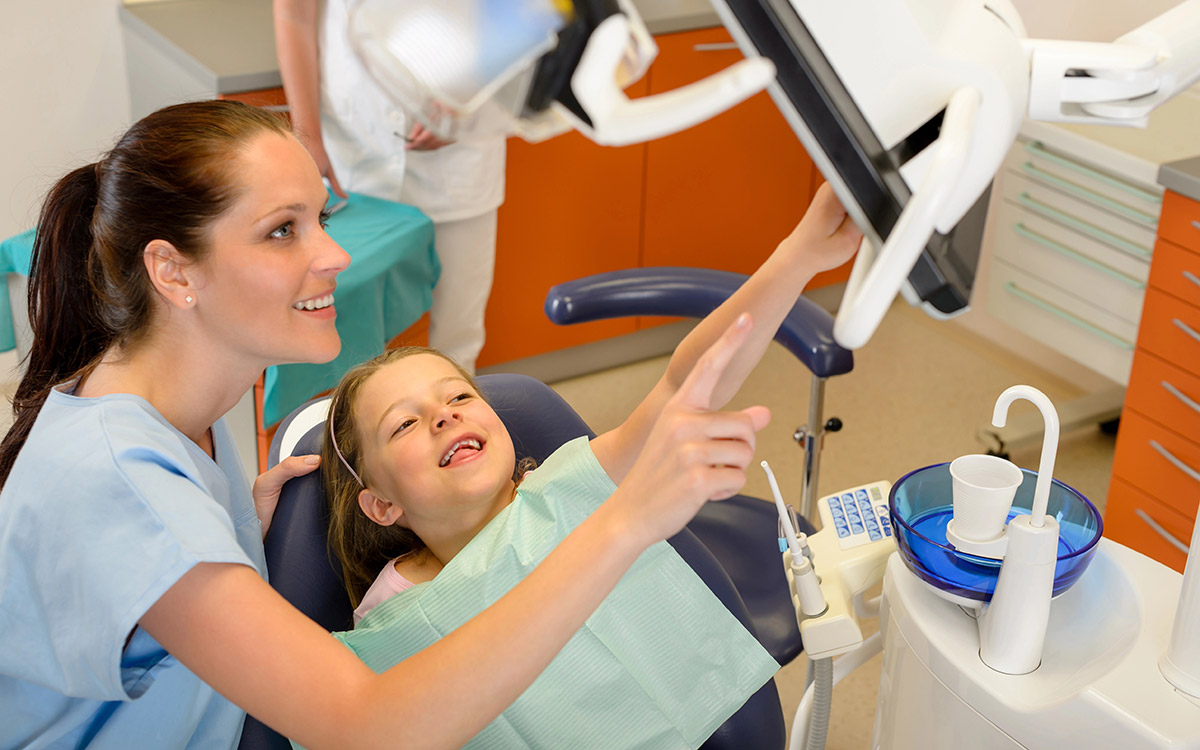
When Your Child May Need an Orthodontic Evaluation
Understanding Early Signs and the Benefits of Timely Specialist Care.
Many parents wonder when the right time is to bring their child for an orthodontic evaluation. While braces and aligners are often associated with teenagers, early orthodontic assessments can begin much sooner and play a crucial role in guiding proper dental development. At Soft Breeze Children’s Dentistry, we help parents recognize when their child may show signs that a consultation with an orthodontist is beneficial. Early evaluations allow dental specialists to identify problems while the jaw and teeth are still developing, making treatment easier, more comfortable, and often more effective.
An orthodontic evaluation is not only about straightening teeth. It also focuses on bite alignment, jaw growth, airway development, and the health of the face and dental arches. By recognizing early signs of orthodontic needs, parents can help their child achieve a healthier, more functional smile as they grow.
The Ideal Age for an Initial Evaluation
Orthodontic organizations typically recommend that children have their first orthodontic evaluation by age seven. At this age, a child’s mouth contains a combination of baby teeth and emerging adult teeth, providing valuable insight into how the jaws and bite are developing. Early exams help identify issues that may not be obvious to parents but could worsen over time without intervention.
While not every child will require treatment at seven, these early assessments allow orthodontists to monitor development and plan the right time for care. Soft Breeze Children’s Dentistry helps parents understand whether their child should be referred for an evaluation and what indicators suggest future orthodontic concerns.
“Early orthodontic evaluations help guide healthy jaw and tooth development, lowering the chances of complex treatments later.”
Signs Your Child May Need Early Orthodontic Attention
Several early indicators may suggest that a child’s teeth or jaw alignment needs professional evaluation. Some of the most common include:
• Difficulty biting, chewing, or speaking
• Crowded or overlapping teeth
• Underbites, overbites, or crossbites
• Mouth breathing or snoring
• Thumb sucking or pacifier use beyond toddler years
• Early loss of baby teeth
• Teeth that do not meet properly
• Shifting of the jaw when your child opens or closes their mouth
These signs may indicate that the teeth or jaw are developing improperly. When problems are identified early, orthodontists can often guide growth in a healthier direction, reducing the need for more complex treatments later.
Benefits of Early Orthodontic Evaluations
Early evaluation offers several advantages that benefit children long-term. When orthodontists can monitor jaw growth and tooth eruption early, they may recommend treatments that prevent future complications or shorten the length of orthodontic care.
Benefits may include:
• Improved alignment of incoming permanent teeth
• Reduced risk of impacted teeth
• Correction of harmful habits such as thumb sucking
• Enhanced jaw balance and facial symmetry
• Prevention of bite problems that affect speech or chewing
• Increased self-confidence as teeth erupt correctly
At Soft Breeze Children’s Dentistry, we collaborate with orthodontic partners who specialize in evaluating young patients and providing personalized care recommendations.
“Recognizing the signs early ensures your child receives timely care that supports both function and confidence.”
What Happens During an Orthodontic Evaluation?
An orthodontic evaluation is a comfortable and simple process. The orthodontist examines your child’s teeth, mouth, and jaw to assess alignment and growth patterns. X-rays or digital scans may be taken to evaluate tooth position and jaw development beneath the gums.
The orthodontist reviews any concerns with the parent, explains whether treatment is needed now or later, and provides guidance on the next steps. Many children do not require immediate treatment, but keeping a close eye on changes allows for timely intervention if needed.
Supporting Your Child Through Their Orthodontic Journey
When introduced at the right time, orthodontic care can be a positive and empowering experience for children. Parents play a key role in helping their child understand the benefits of early evaluations and the importance of following the orthodontist’s recommendations.
Soft Breeze Children’s Dentistry helps families navigate this process by answering questions, offering support, and connecting them with trusted orthodontic professionals dedicated to children’s oral development.
Conclusion
Orthodontic evaluations are an important part of a child’s dental growth and long-term health. Scheduling an early assessment provides valuable insights into jaw development, tooth eruption, and bite alignment. Parents who understand the early signs can help their children receive care when it is most effective. At Soft Breeze Children’s Dentistry, we support families in recognizing orthodontic needs and connecting with specialists who help every child achieve a healthy, confident smile.
Related Posts
.jpg)
Can Kids Get Gum Disease? What Parents Should Know
What Parents Should Know About Kids' Wisdom Teeth
Signs Your Child Might Need Braces Earlier Than Expected!
