

How Early Dental Visits Shape Lifelong Habits
Why a child’s first experiences with dental care influence health for decades.
Habits rarely form all at once.
They develop slowly, through repetition, familiarity, and the emotions attached to everyday routines. Dental care is no different. The way children experience their earliest dental visits often determines how they view oral health for the rest of their lives.
When early appointments feel calm and supportive, children grow up viewing dental care as a normal part of self-care. When those experiences feel frightening or confusing, avoidance can become the default response.
At Soft Breeze Children’s Dentistry, early visits are treated as the starting point of a long relationship between a child and their health, not as isolated medical events.
First experiences create lasting expectations
Children remember how they feel long before they remember technical details.
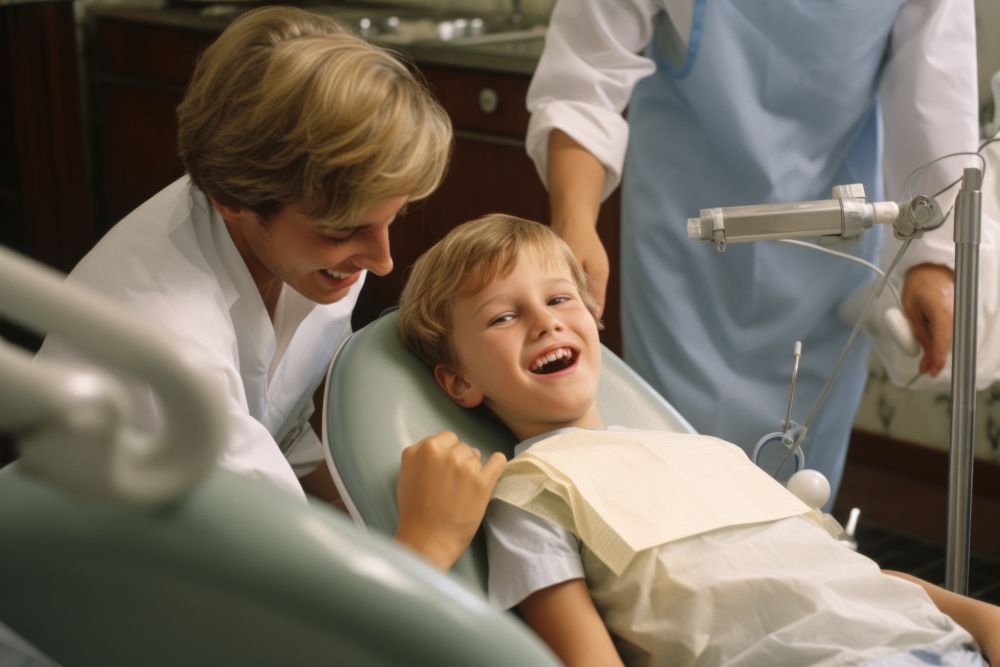
A gentle tone, patient explanations, and a welcoming environment create an association of safety. Harsh sounds, rushed care, or confusion create tension that may resurface years later.
When children walk into a dental office and feel respected, they learn that healthcare spaces are places where they are protected, not threatened. This emotional memory becomes the foundation for how they approach appointments as teenagers and adults.
At Soft Breeze, first visits are intentionally designed to introduce dentistry slowly and positively, allowing children to build familiarity before anything feels demanding.
Routine builds comfort and consistency
Habits form when actions feel predictable and manageable.
Children who visit the dentist regularly begin to understand the rhythm of care. They expect cleanings. They recognize the environment. They know what will happen next.
This familiarity removes uncertainty, which is often the source of fear.
As visits become routine, children stop viewing dental care as something unusual. It becomes part of how they take care of themselves, like washing hands or getting dressed in the morning.
Early education strengthens responsibility
Dental visits are also opportunities for learning.
Children who are taught why brushing matters, how cavities form, and what healthy choices look like begin to connect actions with outcomes. They understand that their daily habits protect their teeth.
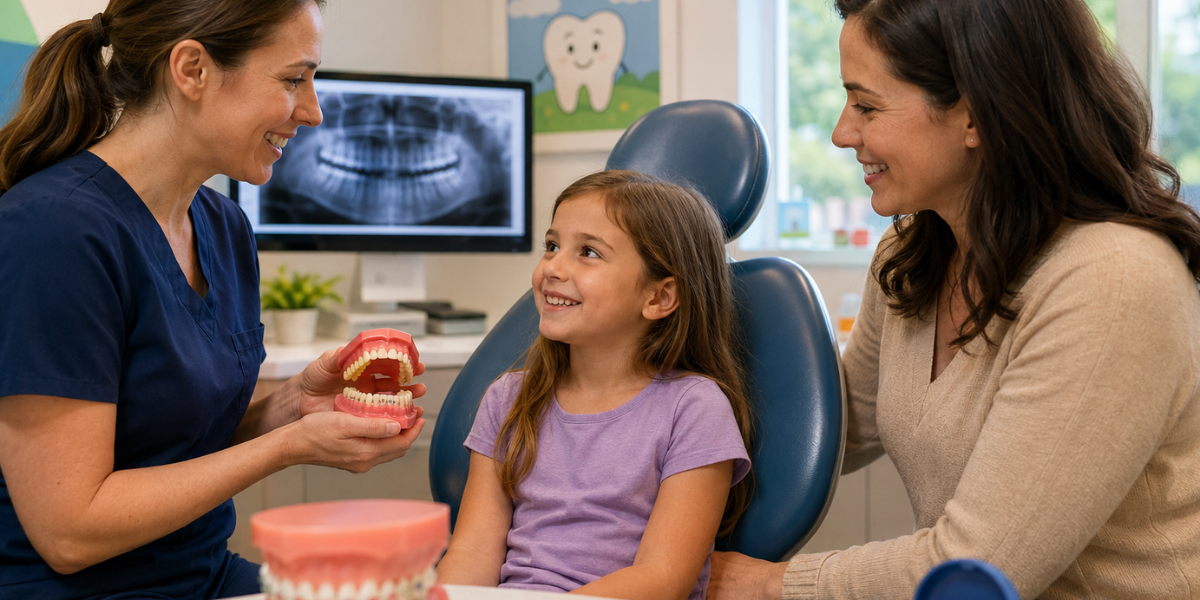
At Soft Breeze Children’s Dentistry, education is woven into each visit in simple, reassuring language. Children learn that they have control over their oral health through their choices.
This sense of responsibility often leads to better brushing habits, fewer struggles at home, and greater pride in maintaining their own care.
Emotional safety encourages honesty
Children who feel safe with their dentist are more likely to speak openly about discomfort or concerns.
Instead of hiding pain or feeling ashamed, they learn that communicating leads to help.
This openness becomes especially important as children grow older and face more complex dental needs. Teens and adults who are comfortable speaking to providers receive earlier treatment and avoid complications.
Trust, once built early, supports healthier decisions later.
Avoidance often begins with fear
Many adults who avoid dental care trace their anxiety back to childhood experiences. A single frightening appointment can influence behavior for years.
Avoidance leads to delayed treatment, worsening conditions, and higher health risks. By contrast, children who associate dental visits with calm and understanding are far less likely to develop this cycle.
At Soft Breeze, reducing fear is considered preventive care in itself.
How families see the difference
Parents often notice that children who begin dental visits early approach appointments with ease rather than resistance.
• They speak positively about their dentist.
• They ask questions about their teeth.
• They brush more thoughtfully at home.
These behaviors reflect habits forming naturally, without pressure or fear.
The long-term health impact
Consistent dental care reduces the risk of cavities, gum disease, and complicated procedures.
But the deeper benefit is psychological.
Children who grow up trusting dental care are more likely to maintain regular checkups as adults. They address small issues early. They protect their smiles proactively.
These habits reduce healthcare costs, discomfort, and long-term complications.
Conclusion
Early dental visits do more than protect baby teeth. They shape attitudes. They influence behavior. They create expectations about health and self-care that last for decades.
At Soft Breeze Children’s Dentistry, each appointment is an opportunity to build trust, confidence, and positive routines that support lifelong wellness.
If your child has not yet had their first dental visit, or if you are seeking a more supportive experience, contact Soft Breeze Children’s Dentistry to schedule an appointment. Early care today can become healthy habits for life.
Related Posts
.jpg)
Can Kids Get Gum Disease? What Parents Should Know
What Parents Should Know About Kids' Wisdom Teeth
Signs Your Child Might Need Braces Earlier Than Expected!
