
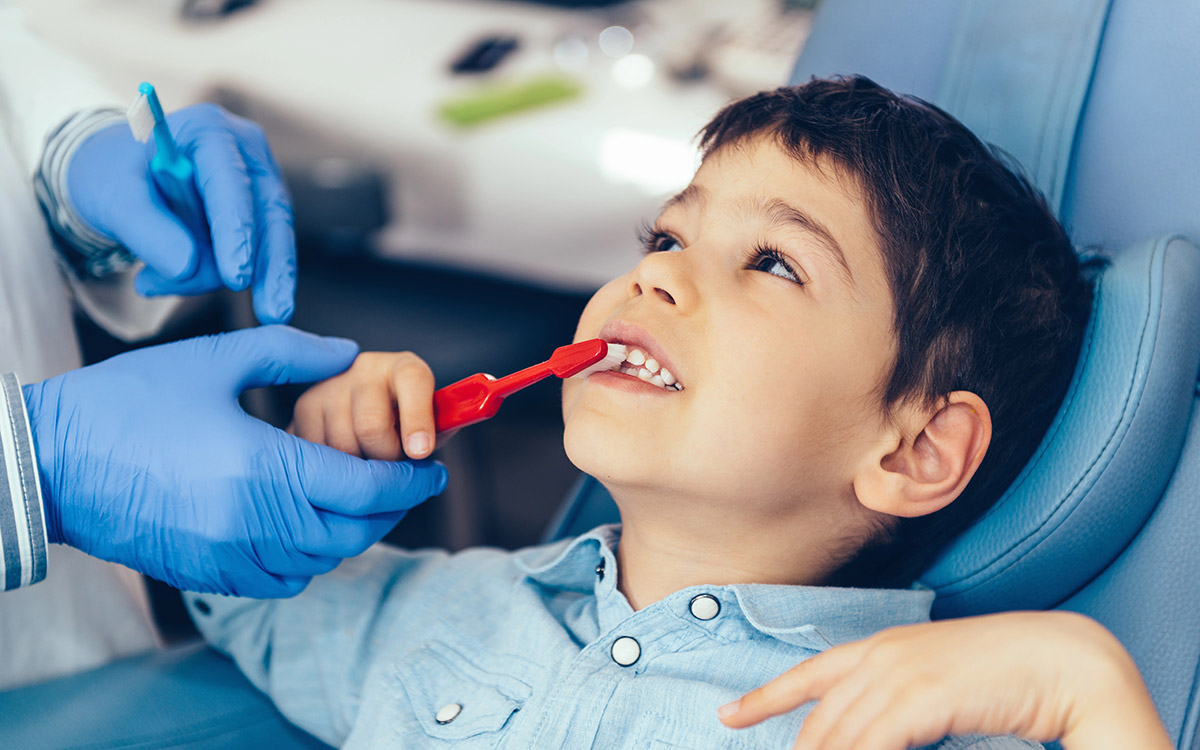
What Should You Do If Your Child Has a Dental Emergency?
Quick, calm, and confident — how parents can protect their child’s smile when the unexpected happens.
Children are full of energy—running, playing, and exploring and sometimes that energy leads to unexpected dental injuries. From a chipped tooth on the playground to sudden pain in the middle of the night, knowing how to respond to a dental emergency can prevent lasting damage and ease your child’s discomfort.
At Soft Breeze Pediatric Dentistry, we understand that emergencies can be stressful for both kids and parents. That’s why our team is trained to handle every situation with care, speed, and compassion. Whether it’s a toothache, knocked-out tooth, or injury to the mouth, quick action and the right guidance can help save your child’s smile.
Here’s what every parent should know about handling pediatric dental emergencies calmly and confidently.
1. Stay Calm and Reassure Your Child
The first step in any emergency is to stay calm. Children take emotional cues from their parents. If you panic, they’ll panic too. Speak softly, offer comfort, and let them know you’ll fix it together.
Take a quick look to assess the situation:
- Is there bleeding?
- Is a tooth broken, loose, or missing?
- Is your child in pain or swelling?
These details help you communicate clearly with your pediatric dentist when you call.
At Soft Breeze Pediatric Dentistry, our emergency line is available for urgent cases and our doctors can guide you through immediate steps before your visit.
2. Common Dental Emergencies and What to Do
Knocked-Out Permanent Tooth
- Act fast. Time is critical, ideally within 30 minutes.
- Hold the tooth by the crown (top part), not the root.
- If it’s dirty, rinse gently with clean water (no soap or scrubbing).
- Try to place the tooth back in the socket and have your child bite down softly on gauze or cloth.
- If that’s not possible, store it in milk or a tooth preservation kit, never water and head straight to your pediatric dentist.
Chipped or Broken Tooth
- Rinse your child’s mouth with warm water.
- Save any broken fragments if possible.
- Apply a cold compress to reduce swelling.
- Contact your pediatric dentist to prevent infection or further damage.
Severe Toothache
- Rinse with warm salt water to cleanse the area.
- Check for food particles stuck between teeth and gently remove them with floss.
- Avoid applying aspirin or medication directly on the gums.
- Call your dentist if the pain persists beyond a few hours — it could signal decay or infection.
Cut Lip, Tongue, or Cheek
- Clean gently with water and apply pressure with gauze.
- If bleeding doesn’t stop after 10 minutes or the wound is deep, visit your dentist or urgent care immediately.
Object Stuck Between Teeth
- Try using dental floss gently to remove it.
- Never use sharp objects like toothpicks or pins — they can cause injury.
- If it won’t come out easily, let your dentist handle it safely.
3. Know When to Call Your Pediatric Dentist
Some dental emergencies need immediate professional attention, while others can wait for a scheduled appointment.
You should contact Soft Breeze Pediatric Dentistry right away if your child experiences:
- A knocked-out or severely broken tooth
- Persistent pain or swelling
- Signs of infection (such as fever or pus)
- Facial trauma or uncontrolled bleeding
- Dental injuries from sports or falls
Our team provides same-day or emergency appointments whenever possible to ensure your child gets the right care fast.
“Acting quickly can be the difference between saving a tooth and losing one.”
4. Prepare an At-Home Dental Emergency Kit
Being prepared can make emergencies less overwhelming. Every parent should keep a small dental first-aid kit at home or in the car.
Include:
- Sterile gauze pads
- A small container with a lid
- Saline solution or milk for preserving a tooth
- Cotton swabs
- A cold compress or instant ice pack
- Over-the-counter children’s pain reliever (if recommended by your doctor)
- The phone number for your pediatric dentist and local emergency room
Having these tools on hand allows you to act quickly and effectively when every minute counts.
5. Prevention Is Always the Best Medicine
While accidents happen, many dental emergencies can be prevented. Encourage your child to:
- Wear a mouthguard during sports or physical activities.
- Avoid chewing on ice, hard candy, or non-food items.
- Practice daily brushing and flossing to prevent infections and decay.
- Visit their pediatric dentist regularly for exams and cleanings.
At Soft Breeze Pediatric Dentistry, we also provide custom athletic mouthguards designed for comfort, protection, and a perfect fit — helping kids stay safe while they play.
Conclusion
Dental emergencies can be frightening, but knowing what to do can protect your child’s smile and prevent long-term complications. By staying calm, acting fast, and calling your pediatric dentist right away, you can ensure your child gets the care they need — safely and effectively.
At Soft Breeze Pediatric Dentistry, we’re here for you in every situation, from routine visits to unexpected emergencies. Our gentle, child-centered approach ensures your little one feels cared for, comforted, and confident, even in the most stressful moments. If your child experiences a dental emergency, call Soft Breeze Pediatric Dentistry immediately.
Related Posts
.jpg)
Can Kids Get Gum Disease? What Parents Should Know
What Parents Should Know About Kids' Wisdom Teeth
Signs Your Child Might Need Braces Earlier Than Expected!
